The Waltz: Scandal, Spin, and Social Shock
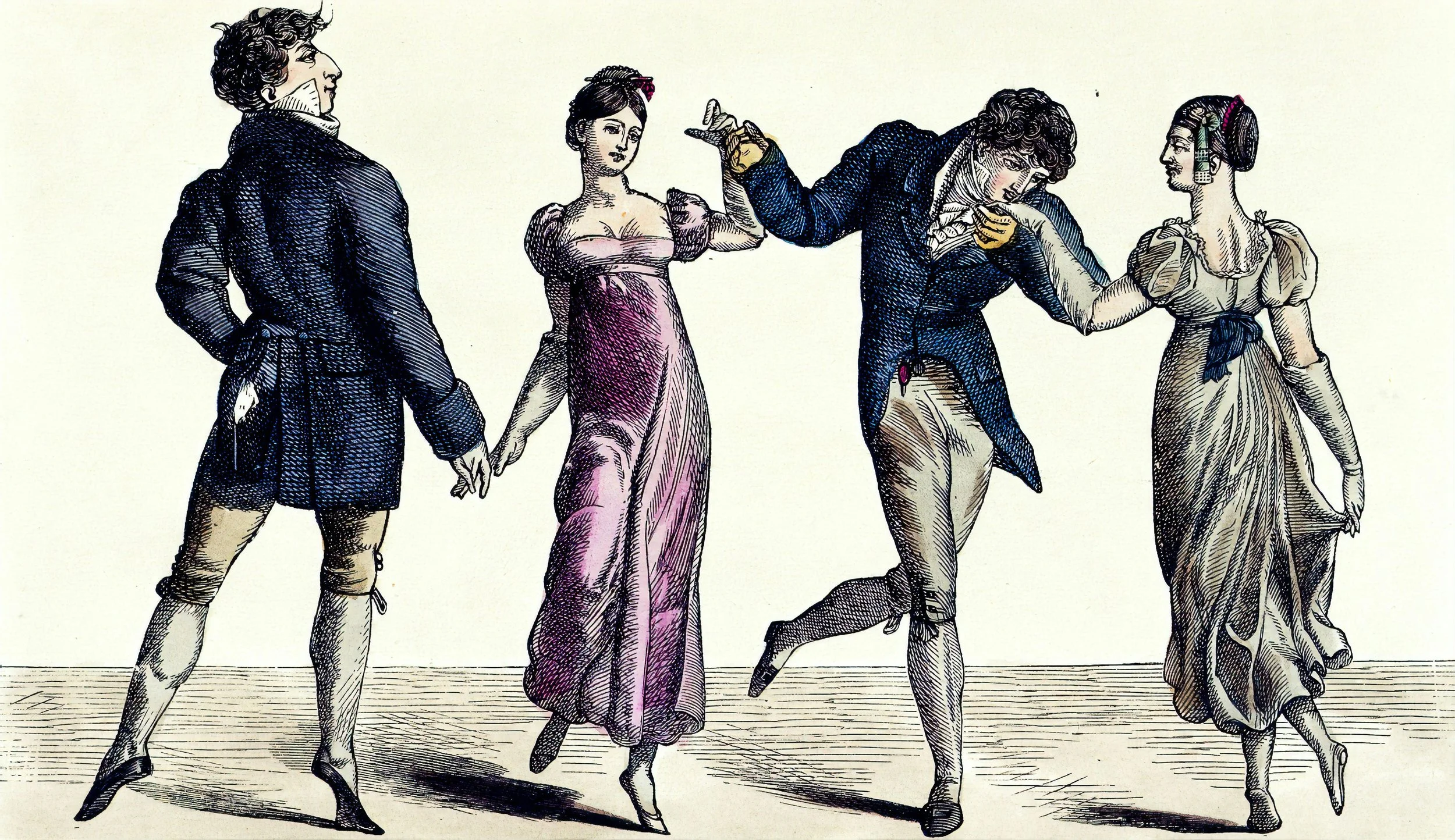
When the waltz first arrived in England in the 1790s, it caused more than raised eyebrows. Imported from Austria and southern Germany, the dance placed partners in an embrace far closer than English society was prepared to accept. Couples turned together, faces near, bodies moving as one—an intimacy that many found outright improper.
Moralists and traditionalists condemned it as indecent, even dangerous. Unlike the formal, set dances of the day, the waltz allowed too much freedom, too much proximity, and too little supervision. It was movement without distance, and that made people nervous.
Everything changed in 1814 when the Prince Regent publicly approved the dance. With royal endorsement, outrage softened into curiosity, and curiosity quickly became fashion. Within a few short years, the waltz had secured its place in English ballrooms, spinning from scandal to staple—and forever changing how people danced, and how closely they were allowed to stand.
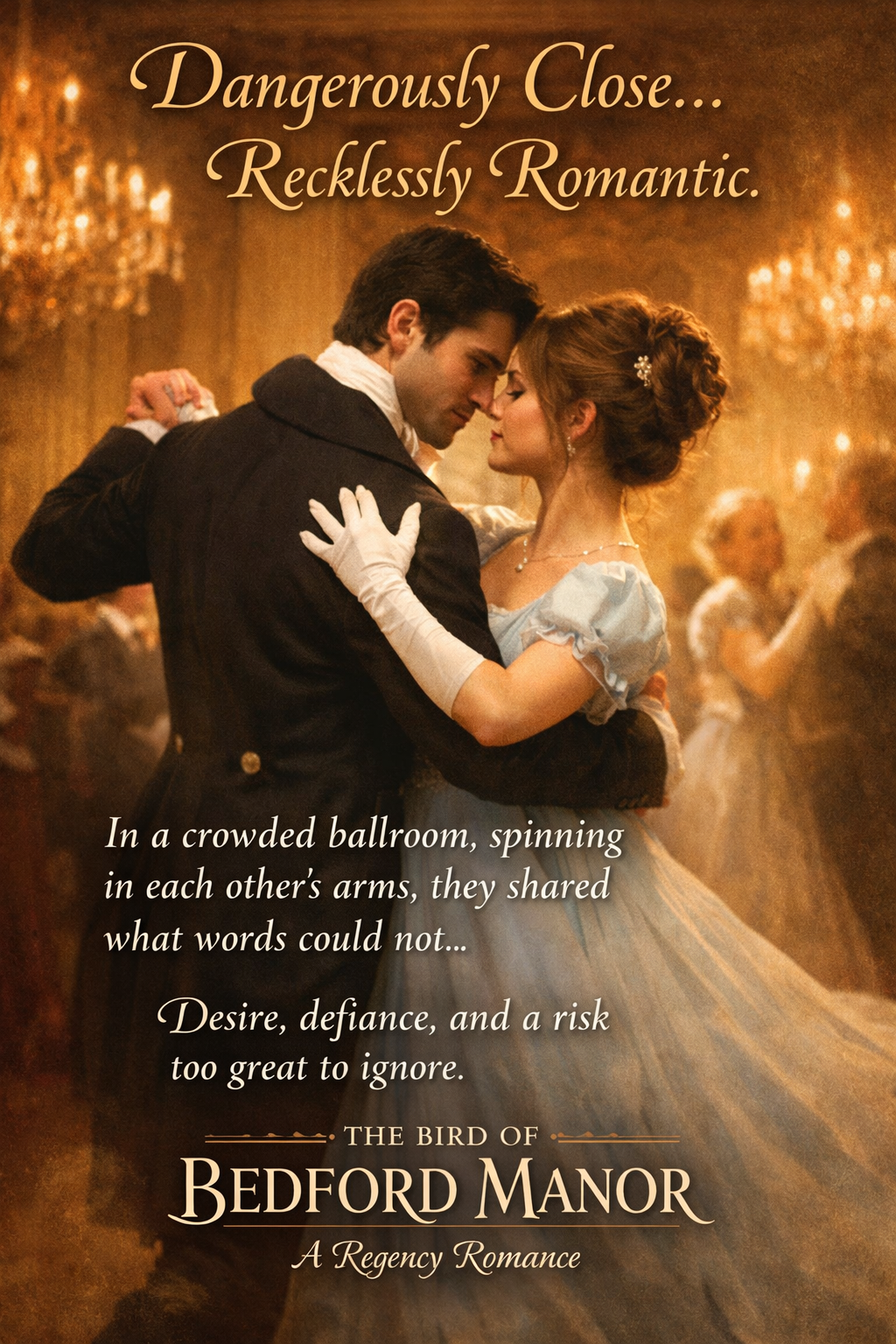
That same dangerous intimacy slips onto the page in The Bird of Bedford Manor when Henry and Juliet take the floor together. The waltz draws them far too close, spins them just beyond caution, and leaves no room for pretense. In a crowded ballroom, surrounded by watchful eyes, the dance says what neither of them dares to speak—desire, defiance, and the unmistakable risk of wanting more than the world is willing to allow.
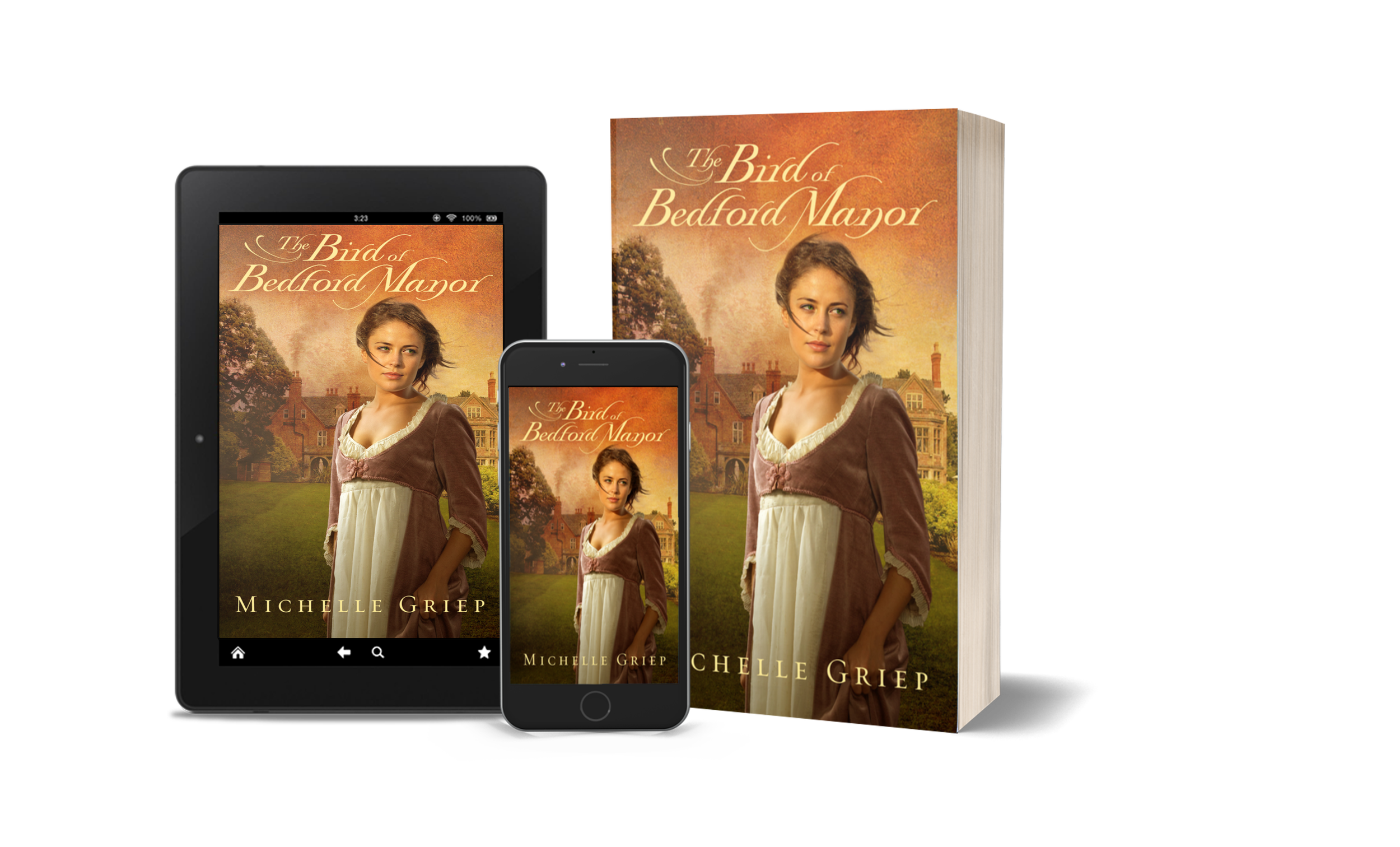
The Bird of Bedford Manor is due out February 1st, 2026. Preorder now for 20% off at Baker Books. Or grab your copy at Amazon, Barnes and Noble, or a favorite bookseller near you.