Royal Tunbridge Wells: A Regency Spa Town Beyond Bath
When people think of Regency spa towns, they usually think of Bath—thanks in no small part to Jane Austen. But Bath wasn’t the only place where society gathered to promenade, gossip, and hope for improved health.
Tunbridge Wells earned its reputation much earlier, in the early 1600s, after the discovery of an iron-rich chalybeate spring. Visitors drank the mineral water for its supposed restorative powers, turning the town into a fashionable retreat for the gentry. By the Regency period, Tunbridge Wells had settled into a familiar rhythm: morning walks, social calls, careful observation of who was speaking to whom—and why.
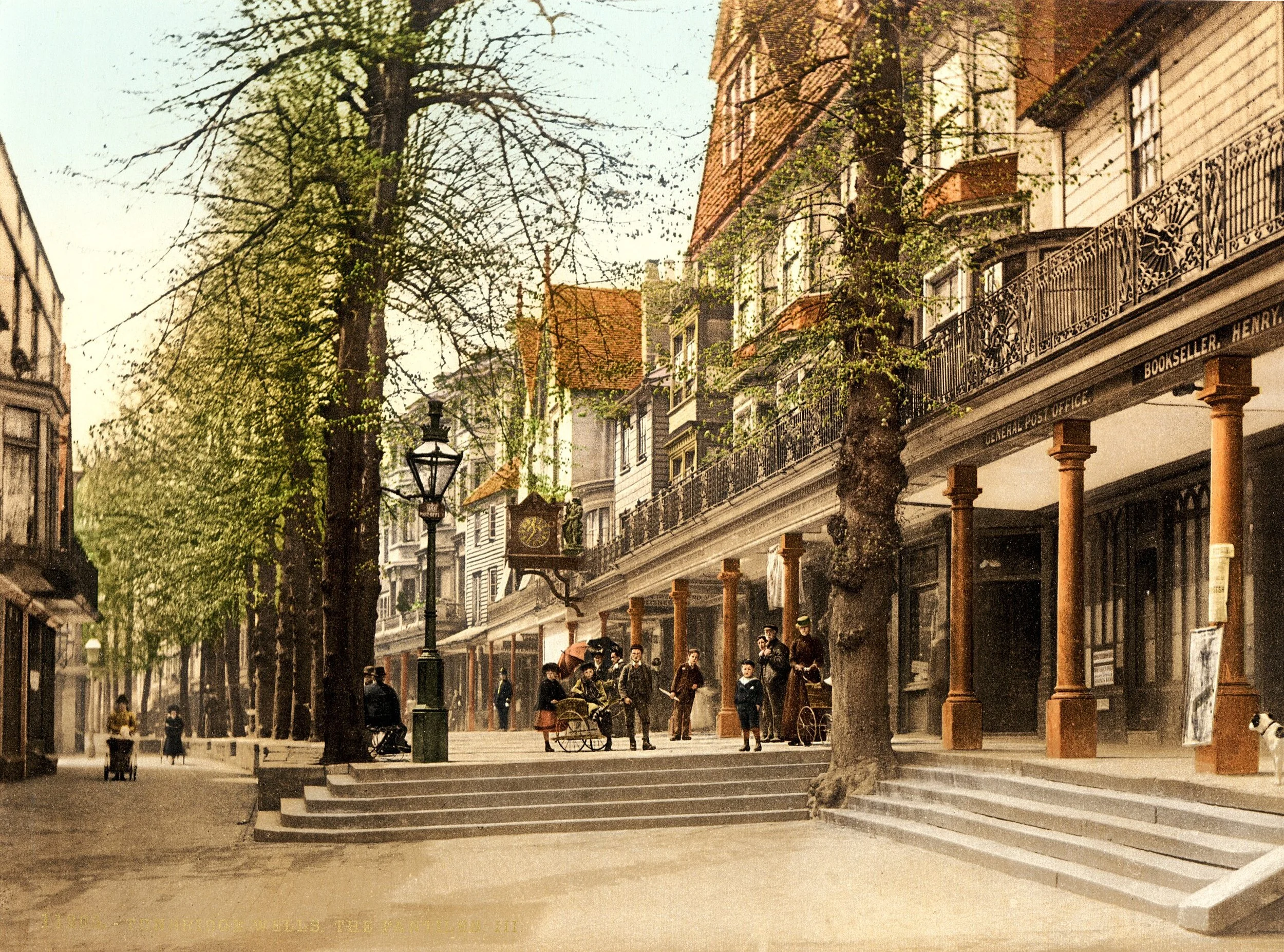
Unlike Bath’s grand crescents and formal architecture, Tunbridge Wells had a slightly quieter, more wooded character. The Pantiles became the heart of the town’s social life, a place to stroll, shop, and be seen without quite the same spectacle as Bath. It appealed to those who wanted society, but not too much of it.
As sea bathing rose in popularity later in the century, spa towns faded from medical fashion. . . but not quite yet in Regency England. The Bird of Bedford Manor, Set in 1820 Bedfordshire, follows Juliet Finch, a young woman forced into self-reliance after her father’s ruin, and Henry Russell, the landowner who catches her poaching and draws her into a far more dangerous hunt.
And that danger takes them right to Tunbridge Wells.
Due out February 1st, 2026, you can snatch up your pre-order right now for 40% off at ChristianBook.com
Also available at Amazon, Barnes and Noble, and any other favorite bookseller.