Victorian Prisons & Justice
Shackles, Shadows, and Second Chances
When you picture Victorian England, maybe you see lace gloves, carriage rides, or tea at four. But pull back the velvet curtain, and you’ll find a much darker scene: prisons. Cold, damp, iron-barred nightmares where justice wasn’t always just.
A World of Punishment
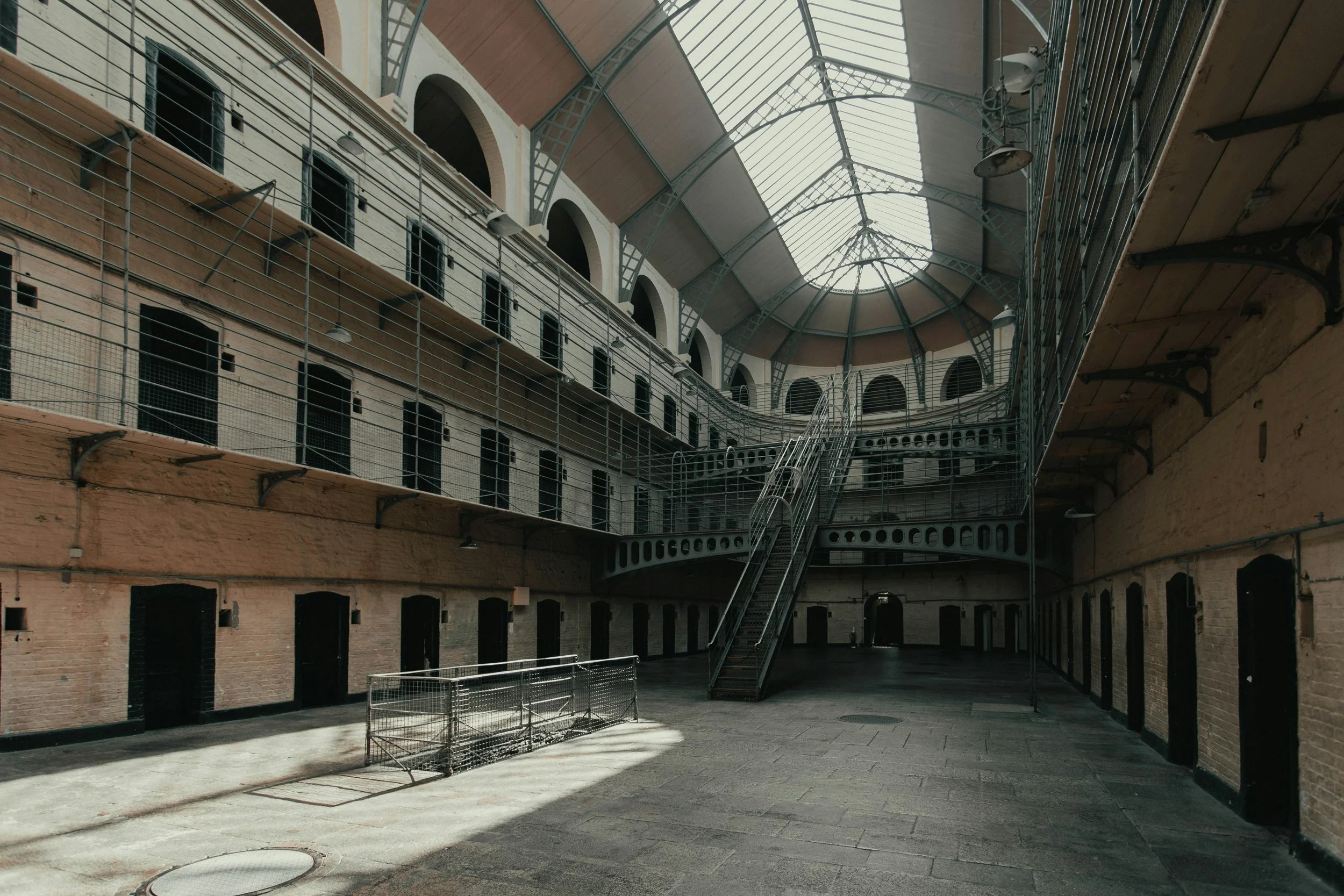
During the 1800s, England was obsessed with crime and punishment. Petty theft? Off to jail. Debt you couldn’t pay? Shackled. Even children weren’t spared—young boys and girls sometimes found themselves behind bars for stealing bread or coal. Hard labor, treadmills, and solitary confinement were all part of “rehabilitation.”
Justice or Injustice?
The system was harsh, often more about deterrence than fairness. Trials could be swift, evidence shaky, and sentences severe. Some prisons, like Dartmoor and Newgate, became infamous for overcrowding, disease, and cruelty. Yet out of the darkness came reformers who pushed for change—men like John Howard and Elizabeth Fry, who believed in treating prisoners with dignity.
Fiction Meets Reality
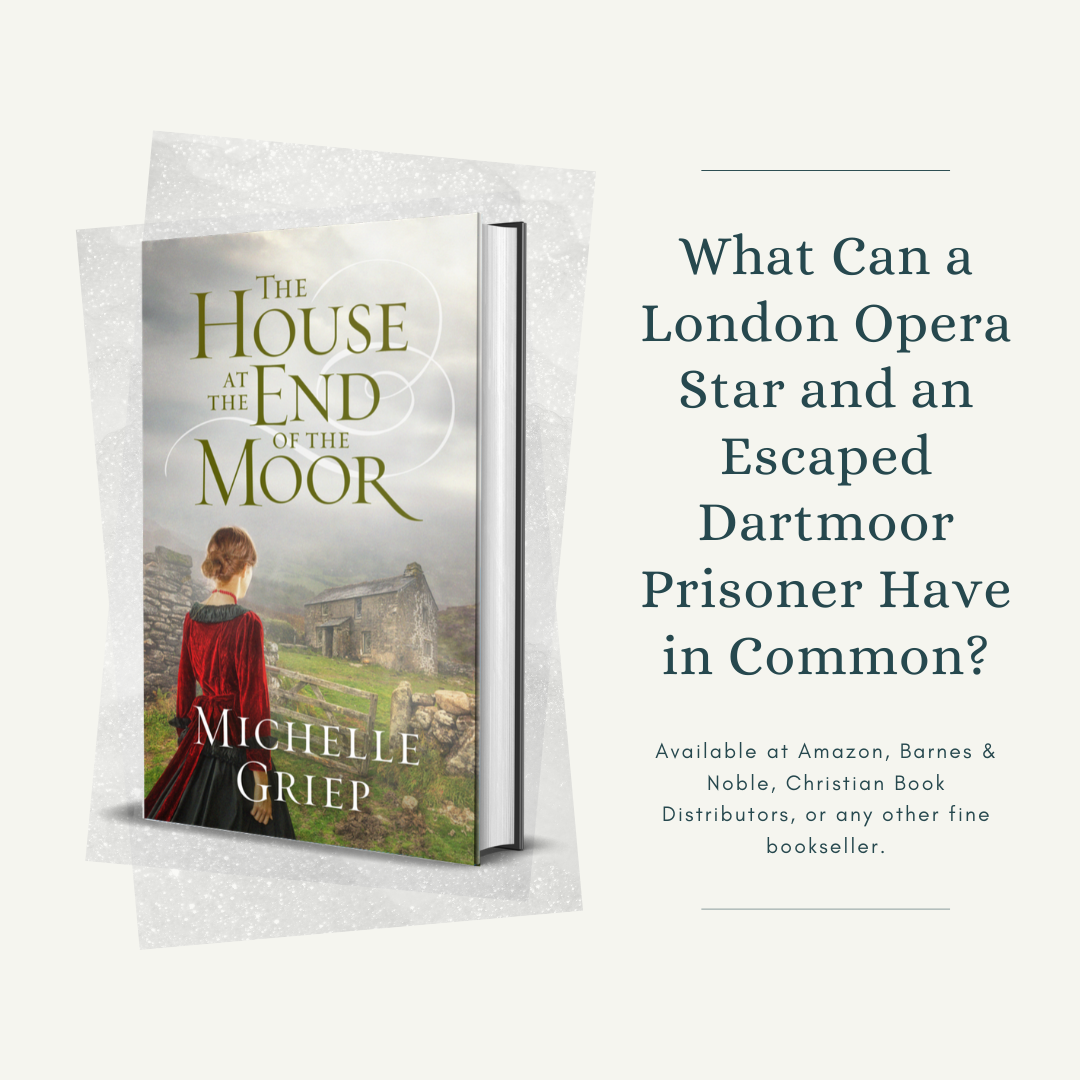
In The House at the End of the Moor, Oliver Ward knows the bite of iron and the weight of false accusation. His struggle echoes the plight of many who were condemned more by circumstance than by crime. And it raises a timeless question: where does true justice come from? Courts and judges? Or a higher hand that sees beyond man’s flawed system?
Victorian prisons may seem far removed from our world, but the questions they raise still matter. What does redemption look like? In Oliver’s journey—and Maggie’s—we catch a glimpse of truth: grace cannot be chained.
And if Victorian grit wrapped in romance and redemption sounds like your kind of story, you can snag a signed copy of The House at the End of the Moor. Just head over to Etsy and search Author Michelle Griep Etsy Shop—your next gothic adventure is waiting…or just click HERE.